What Is a Lift Plan? And Why Every Construction Project Needs One (BS 7121 Explained) Copy
A 4 Minute Read
Category:
BS7121
Author:
Sheldon Weinman
Read:
Educational Yet Digestable
Location:
United Kingdom
Date:
Oct 23, 2025
LOLER: Why Lift Plans Are Legally Required
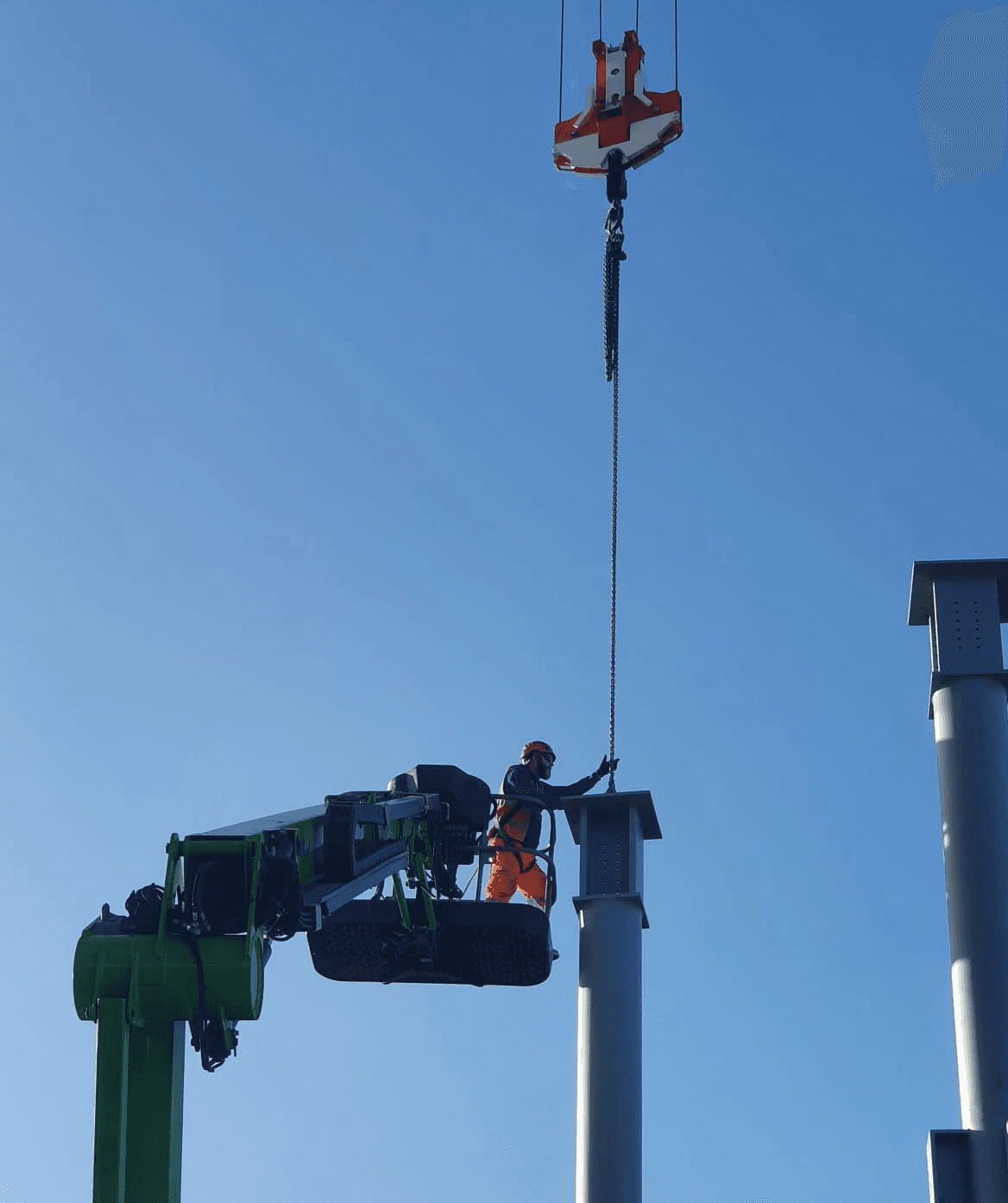
BS 7121 provides guidance. LOLER 1998 creates legal obligations.
The Regulation That Matters Most
LOLER Regulation 8: Organization of Lifting Operations Every lifting operation must be: Properly planned by a competent person Appropriately supervised Carried out in a safe manner That first point—"properly planned"—is where lift plans become a legal requirement, not a suggestion. "Properly planned" means documented planning that accounts for the hazards and complexities of your specific lift. It means someone competent has thought through what could go wrong and how to prevent it. Turning up and winging it isn't planning. It's hoping. And hope isn't a control measure.
How Cambridge Lifting Services Approaches Lift Planning
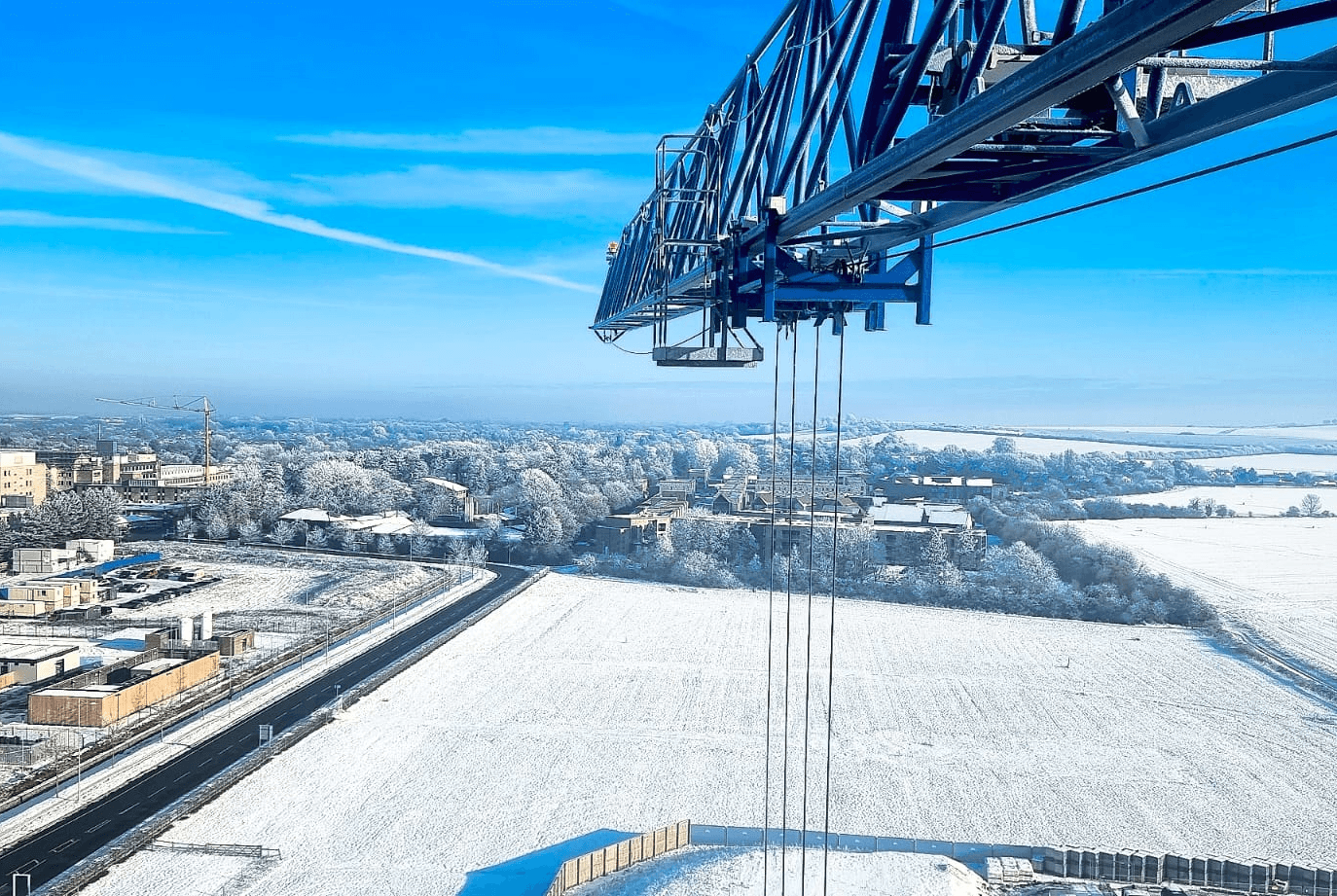
Our Planning Process •Site Assessment: We visit your site. We don't quote based on phone conversations or drawings alone. We assess ground conditions, access routes, proximity hazards, and spatial constraints. We measure. We verify. We identify problems before they become surprises. •Engineering: Load calculations use verified weights, not estimates. Equipment selection matches your actual requirements—capacity at the radius you need, configured for your site conditions. Rigging specifications account for load characteristics and attachment points. •Documentation: Comprehensive lift plans that address LOLER requirements and follow BS 7121 guidance. Risk assessments specific to your lift. Method statements detailing the operational sequence. All reviewed by qualified Appointed Persons before we arrive on site. •Execution: Lifting operations supervised by competent personnel. Pre-lift briefings covering the plan, hazards, and communication protocols. Authority to stop work if conditions change or risks emerge that weren't adequately controlled. Why This Matters Our directors have operated cranes and managed lifting operations on major UK infrastructure projects—HS2, Crossrail, Hinkley Point C, major commercial developments. We understand what proper planning looks like because we've delivered it on projects where the stakes were high and the scrutiny was intense. That experience informs every project we take on. A straightforward hire on a small commercial site gets the same planning discipline as complex contract lifts. Because the regulations apply equally, and more importantly, because cutting corners on planning is how incidents happen. Work With Experts Who Understand Planning Don't wait until three days before your scheduled lift to realize your planning isn't adequate. Talk to us early. Let us help you get it right from the start. Because proper planning isn't just about compliance—it's about delivering your project safely, on time, and without the drama that comes from hoping things work out.